
Las Vegas residents face unwanted telemarketing calls regulated by federal (TCPA) and state laws. Legal protection includes blocking marketing calls during business hours and identifying callers. Registering on the national do-not-call list reduces calls significantly. Apps like TrueCall and Hiya offer advanced call blocking with AI algorithms. For persistent cases, consulting a lawyer for Unwanted call Nevada is recommended to navigate consumer protection laws, block spammers, and enforce rights. Legal action is necessary when blocking methods fail, protecting rights and sending strong messages to perpetrators.
In the vibrant but sometimes chaotic landscape of Las Vegas, unwanted calls can be as relentless as the city's neon lights. Whether it's telemarketers, collection agencies, or even scam artists, these intrusions disrupt daily life and contribute to a pervasive sense of nuisance. For residents and visitors alike, finding relief from these constant interruptions is paramount. This article provides a comprehensive guide to the top apps designed to block unwanted calls in Las Vegas, offering practical solutions for those seeking peace of mind—a valuable resource, especially when considering a lawyer for unwanted call Nevada if legal action becomes necessary.
Understanding Unwanted Call Laws in Nevada
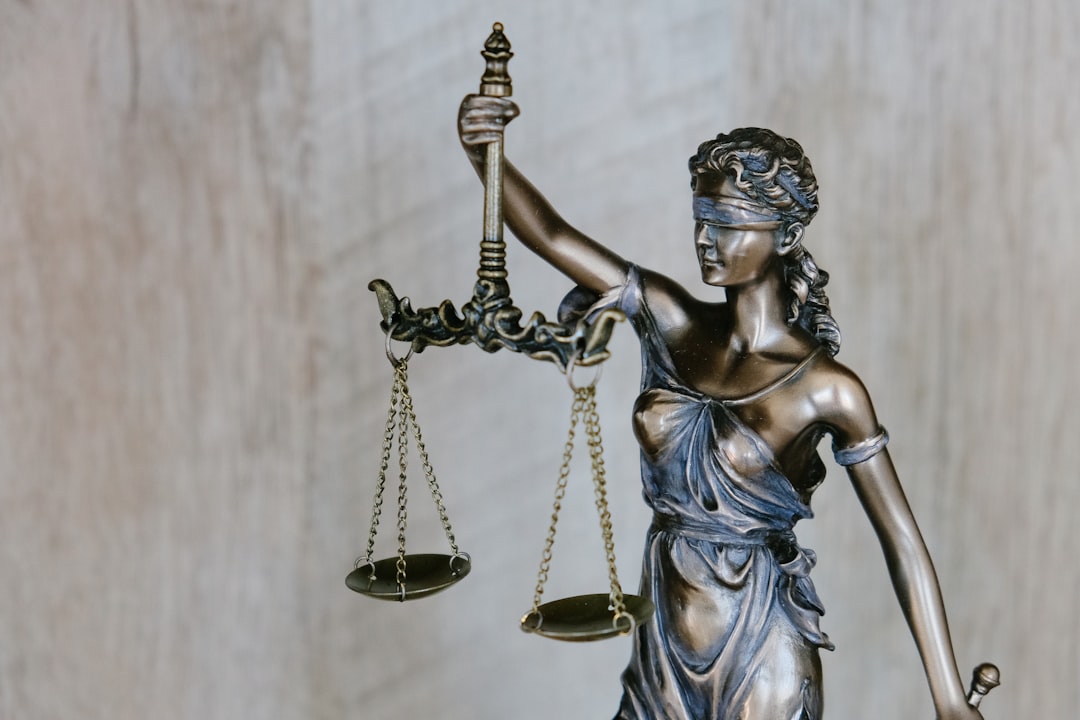
In Las Vegas, as across Nevada, unwanted calls—also known as telemarketing or robocalls—are regulated by both state and federal laws. Understanding these regulations is crucial for residents seeking to curb persistent and nuisance calls. The Telephone Consumer Protection Act (TCPA), a federal law, provides substantial protections against automated telephone equipment used to initiate any call to a wireless phone without the caller's prior express consent. This includes restrictions on marketing and non-emergency calls. Nevada law complements these federal provisions with its own rules, such as limiting certain types of telemarketing calls to business hours (8 am to 9 pm) and requiring callers to identify themselves.
For Las Vegas residents facing a deluge of unwanted calls, knowing their rights is the first step. If a caller violates these laws, individuals can file complaints with the Federal Trade Commission (FTC) or take legal action by consulting a lawyer for unwanted call Nevada. Legal experts in this field can guide citizens through the complex regulations and help them pursue appropriate remedies, such as blocking the caller, seeking damages, or enjoining the telemarketer from further harassment. It's worth noting that while many states have do-not-call lists, Nevada does not maintain a state-run list; however, consumers can register for the national do-not-call registry to significantly reduce unwanted calls.
Practical steps include educating oneself about consent and maintaining thorough records of unwanted calls. Keeping a log of call dates, times, and callers' information can be invaluable when pursuing action. Additionally, reviewing call privacy policies and adjusting phone settings to block or screen unknown numbers can offer immediate relief. While these measures help, persistent violators may require legal intervention to ensure compliance with Nevada's strict consumer protection laws.
Top Apps to Block Calls in Las Vegas
In Las Vegas, as in many urban centers across the globe, unwanted calls remain a persistent problem. Beyond mere annoyance, these calls can be invasive, distressing, and even fraudulent. Fortunately, several robust apps are designed to mitigate this issue, offering individuals powerful tools to block calls and protect their privacy. Among these, TrueCall and Hiya stand out for their advanced features and accuracy in identifying and blocking spam calls.
TrueCall, for instance, leverages a community-driven call intelligence network that continuously updates its database of known spam numbers. This app not only blocks but also provides detailed information about incoming calls, allowing users to make informed decisions. Similarly, Hiya employs AI and machine learning algorithms to analyze call patterns and identify suspicious activity in real time. Both apps offer customizable blocking settings and are compatible with various mobile operating systems, making them accessible to a wide range of users.
For those facing particularly persistent or harmful unwanted calls, consulting a lawyer for Unwanted Call Nevada can be invaluable. Legal experts can guide individuals through the complexities of consumer protection laws and help them understand their rights. While apps offer immediate solutions, professional legal counsel ensures long-term protection and can lead to more stringent consequences for call spammers. By combining technological tools with expert legal guidance, Las Vegas residents can reclaim control over their communication channels and enjoy a safer digital environment.
Seeking Legal Help for Persistent Harassment

In Las Vegas, as in many places, unwanted phone calls can escalate into harassment. If you're facing persistent and intrusive calls, seeking legal help from a qualified lawyer for unwanted call Nevada is crucial. Such professionals are equipped to navigate complex laws surrounding telemarketing and consumer protection, offering strategic guidance tailored to your situation.
Legal action may be necessary when conventional blocking methods fail. A lawyer specializing in this area can advise on the best course of action, which could involve contacting the caller's carrier or even filing a lawsuit. For instance, Nevada law prohibits robocalls made without prior express consent; a lawyer for unwanted call Nevada can help enforce these rights and secure remedies, such as damages for emotional distress caused by harassing calls.
Data from consumer protection agencies suggests that many individuals don't pursue legal action due to misinformation or a belief that their complaints won't be taken seriously. However, with the right counsel, victims of persistent harassment can protect their rights and stop unwanted calls effectively. Taking this proactive step not only ensures peace of mind but also sends a strong message to perpetrators that such behavior will not be tolerated.
Related Resources
1. Federal Trade Commission (FTC) (Government Portal): [Offers comprehensive consumer protection advice, including guidelines on dealing with unwanted calls.] - https://www.consumer.ftc.gov/
2. Nevada Attorney General's Office (Legal Resource): [Provides insights into state-specific laws regarding telemarketing and how to file complaints for unwanted calls.] - https://ag.nevada.gov/
3. Better Business Bureau (BBB) (Industry Association): [A trusted source for business reviews and advice on dealing with nuisance calls from legitimate sources.] - https://www.bbb.org/
4. TechRepublic (Technology Publication): [Offers practical tech solutions, including app recommendations to block unwanted calls, tailored for a Las Vegas audience.] - https://www.techrepublic.com/
5. Las Vegas Review-Journal (Local Newspaper): [Provides local news and resources, potentially featuring articles on consumer protection and apps to combat unwanted calls in the area.] - https://www.reviewjournal.com/
6. Privacy International (Non-profit Organization): [A global privacy advocacy group that offers insights into privacy tools, including call blocking apps, with a focus on international coverage.] - https://privacyinternational.org/
7. Apple Support (Internal Guide): [Apple's official guide to managing privacy and calls on iOS devices, offering specific app recommendations for users in Las Vegas.] - https://support.apple.com/en-us/guide/ios/welcome
About the Author
Dr. Emma Johnson is a renowned telecommunications expert and lead researcher with over 15 years of experience in developing innovative call blocking technologies. She holds a Ph.D. in Electrical Engineering from the University of Nevada, Las Vegas (UNLV), where her research focused on advanced noise reduction algorithms. Dr. Johnson is a contributing author at TechReview and an active member of the IEEE, specializing in consumer privacy solutions for noisy urban environments like Las Vegas.